Two kinds of moving ground
West Virginia homes sit on some of the most uneven ground in the eastern United States. Steep hillsides, saturated clay soils and more than a century of underground coal mining mean that cracked foundations, racked door frames and separated porches are not rare. When ground movement damages a house, the first question is not how much the repair costs. It is why the ground moved. The answer shapes everything about landslide vs mine subsidence insurance claims.
This article explains the general differences. It is not legal advice, and it cannot tell you whether your loss is covered. Coverage decisions belong to your insurer, and disputes over them belong with a West Virginia attorney.
Landslides and the earth movement exclusion
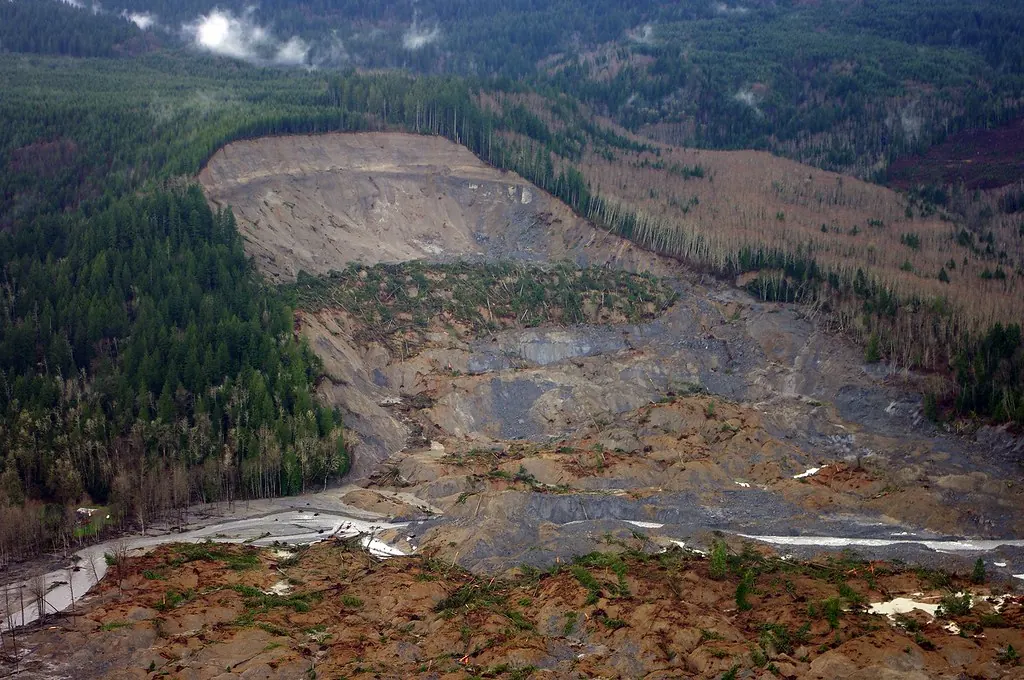
A landslide is the downslope movement of soil, rock or fill. In West Virginia, slides often follow long stretches of heavy rain, cuts made for roads or building pads, or water from a broken line soaking a slope.
Most standard homeowners policies contain an earth movement exclusion. Wording varies, but these exclusions commonly reach landslides, mudflows, sinking, rising and shifting ground. Some policies carve out exceptions, such as ensuing fire or, in limited cases, damage caused by a covered water leak. Separate landslide or earth movement endorsements exist but are not widely purchased.
The practical result: many landslide losses are excluded. If the insurer denies a slide claim, the dispute is about coverage, and appraisal is generally not the tool to resolve it.
Mine subsidence and the state program
Mine subsidence is damage caused when underground mine workings collapse and the surface settles above them. West Virginia runs a mine subsidence insurance program in connection with the state Board of Risk and Insurance Management. Insurers writing dwelling coverage are generally required to offer it as an endorsement.
How the endorsement commonly works
- The limit is capped, commonly described as up to $75,000 for a dwelling, and may be lower than your Coverage A.
- It typically carries its own deductible, separate from the main policy deductible.
- It responds only to subsidence caused by the collapse of underground mines, not to every crack in a foundation.
Check your declarations page to confirm whether you have the endorsement, and read it for the exact limit and deductible. The mine subsidence limit calculator can help you see how a capped limit interacts with a repair estimate.
Why cause is the battleground
Here is where many West Virginia claims get stuck. A cracked basement wall in a house above old workings in Marion or Harrison County could be from mine subsidence. It could also be from ordinary settlement, poor drainage, expansive soil or a slow hillside creep. Each cause can lead to a different answer:
- Mine subsidence: possibly covered under the endorsement, subject to its limit.
- Landslide or general earth movement: frequently excluded under the main policy.
- Settling, cracking or wear: commonly excluded as maintenance issues.
Engineers, geologists and mine maps often play a role in sorting this out. If the insurer and the owner disagree on cause, that disagreement is usually treated as a coverage question. Talk to a West Virginia attorney about how to approach it, and keep every report, letter and photo.
Where an appraiser fits
Suppose the insurer agrees that mine subsidence damaged your home but values the repair far below what foundation contractors are quoting. That is a pricing dispute, and appraisal may help. Typical issues include:
- Scope of foundation work, such as underpinning, piering or wall replacement.
- Related interior repairs, including drywall, plaster, doors and windows that racked out of square.
- Utility line repairs and re-leveling of floors.
- Access costs on narrow roads or steep lots.
As an illustrative example only, an insurer might estimate $28,000 while a contractor bids $52,000; with a capped endorsement limit, the appraisal may only move the payment up to that cap. Knowing the limit before you start helps you decide whether the fees make sense. Our mine subsidence claim appraisal page explains how we approach these files.
A short checklist for ground movement losses
- Photograph cracks with a ruler or tape in the frame, and date each photo.
- Note when you first noticed each change and whether it has grown.
- Find out whether your property sits above known mine workings.
- Confirm whether you carry the mine subsidence endorsement.
- Get the insurer’s position in writing, including the reason for any denial.
- If coverage is disputed, speak with a West Virginia attorney before taking other steps.
When coverage is settled and only the price is in question, you can request a review of the estimate and we will tell you plainly whether appraisal looks worthwhile.