Sudden and accidental, not slow and steady
Most West Virginia homeowners policies cover water damage that is sudden and accidental: a pipe that bursts, a water heater that ruptures, a washing machine hose that splits, an ice maker line that lets go. They often exclude damage from slow, repeated seepage over weeks or months, from wear and deterioration, and from flood. The line between covered and excluded can be contested, and appraisal generally cannot decide which side of it a loss falls on. Once coverage is accepted, though, the size of the repair is fair game.
How a water damage claim appraiser in WV builds the scope
We document moisture readings, staining patterns, materials and room-by-room damage. Then we compare our scope to the carrier’s estimate, looking for the gaps that commonly appear.
Where water estimates usually come up short
- Drying and mitigation. Equipment days, containment and antimicrobial treatment questioned after the fact.
- Tear-out height. Removing two feet of drywall when water wicked higher, or ignoring wet insulation behind it.
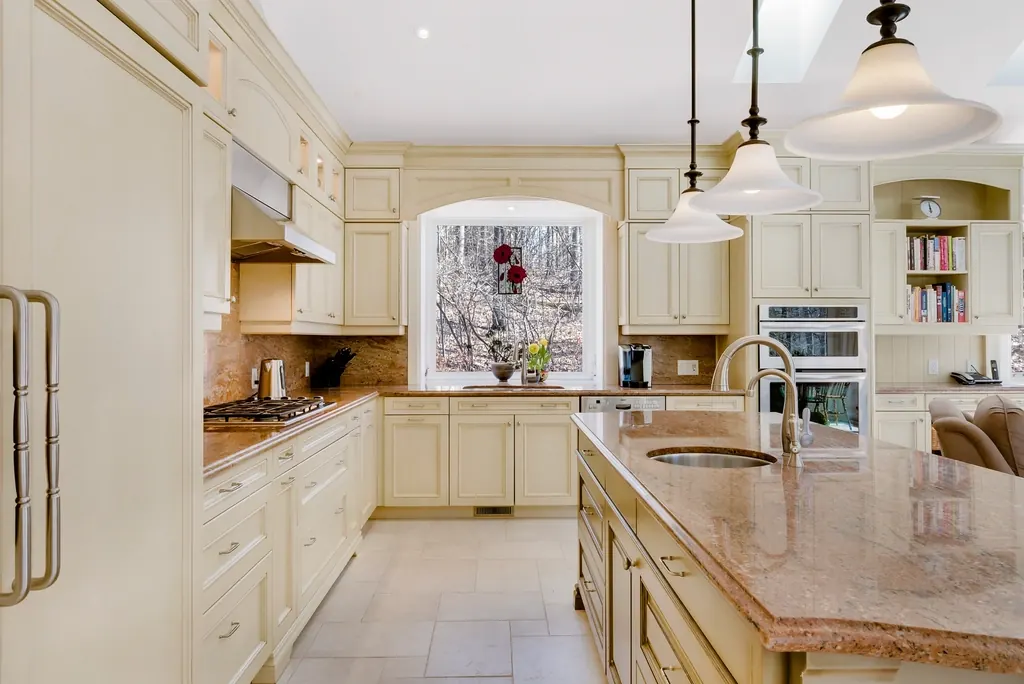
- Cabinets and countertops. Base cabinets with swollen particleboard priced for repair when replacement is the realistic option, and tops that can’t survive removal.
- Flooring continuity. Replacing one room of laminate or hardwood that runs uninterrupted into the next.
- Plaster walls. Older homes in Charleston, Huntington and Wheeling where plaster and lath react differently to water than drywall.
- Subfloor and joists. Damage below the finish floor in crawlspace homes that the first inspection missed.
Cold snaps, old plumbing and wind-driven rain
In the Potomac Highlands, around Elkins, Davis and Snowshoe, and on any ridge-top home statewide, hard freezes split pipes in exterior walls and unheated crawlspaces. Seasonal cabins left empty can sit with an active leak for days before anyone notices, which can raise questions about vacancy and heat conditions in the policy. In older river towns, galvanized supply lines and cast-iron drains are past their expected life. During severe storms, wind can drive rain through damaged roofs, windows and siding; depending on the wording, that water may be covered when the wind created the opening.
See our ice, snow and freeze claims page for frozen pipe issues and our remnant tropical storm page for rain-heavy storms.
Protecting the claim in the first days
- Shut off the water and stop the source as quickly as possible.
- Photograph standing water, wet materials and the failed part before cleanup.
- Keep the failed pipe, hose or valve; it may matter for cause.
- Get a moisture map from your mitigation company and keep its daily logs.
- Ask for the carrier’s full line-item estimate, including mitigation.
Is the gap worth an appraisal?
On a modest claim the cost of appraisal may outweigh the difference. On a whole-floor loss with cabinets, flooring and plaster, the numbers can justify it. Our claim gap and fee estimator offers a quick first look, and we will give you an honest read on whether to proceed.
Remember that the cost of appraisal is usually shared under the policy, with each side paying its own appraiser and splitting the umpire. When the dispute is mainly about tear-out height or a few cabinets, a well-documented supplement request may resolve it faster. When the gap covers several rooms of flooring, plaster and cabinetry, a formal panel may be the more practical route.
Questions about this service
Is a slow leak under my sink covered?
Many policies exclude damage from continuous or repeated seepage over time. Whether your loss counts as sudden or gradual depends on the facts and your policy wording.
My creek came up into the basement. Can I use appraisal under my homeowners policy?
Water from a creek rising is usually treated as flood, which homeowners policies generally exclude. That loss would normally go to a separate flood policy if you have one.
Do you review the mitigation company’s invoice too?
Yes. Drying and mitigation charges are often disputed, and we review equipment counts, days and pricing alongside the rebuild estimate.