Winters that test roofs and plumbing
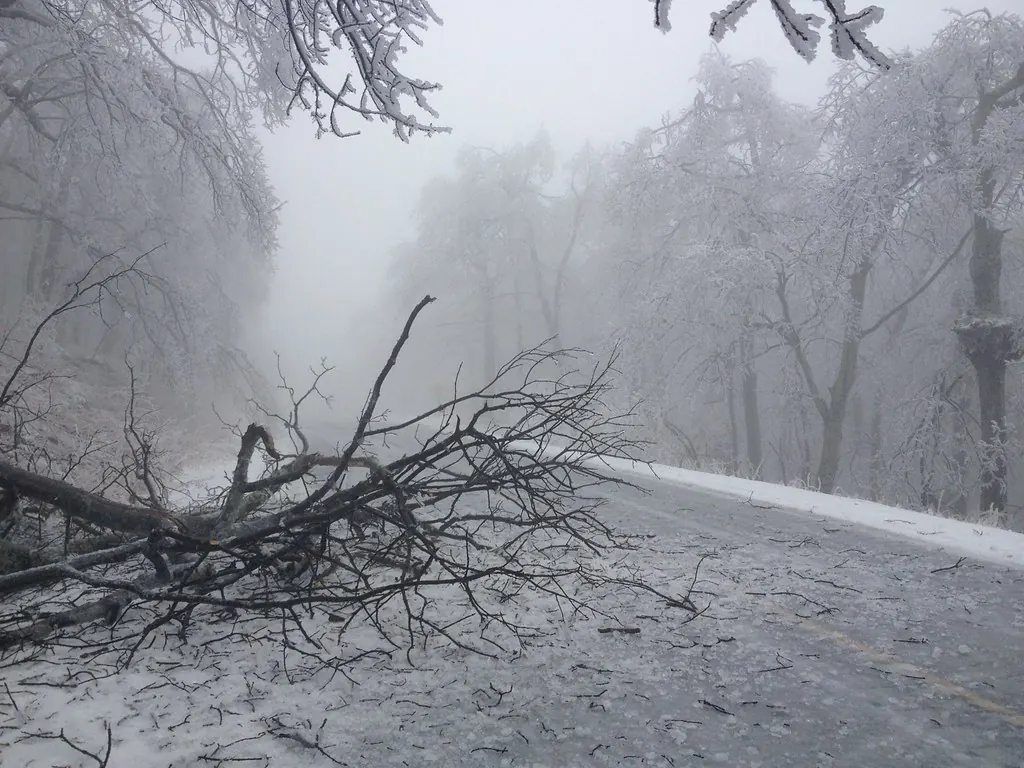
West Virginia’s high country, from Canaan Valley and Davis to Snowshoe and the ridges around Elkins, collects heavy snow most winters. Lower elevations get less snow but more freezing rain. Two events show the range. In late October 2012, Superstorm Sandy dumped feet of wet snow on Tucker, Randolph, Preston, Nicholas and Webster counties, collapsing roofs and snapping trees still in leaf. In February 2021, an ice storm coated Cabell, Wayne, Lincoln and Putnam counties around Huntington, bringing down trees and lines and leaving many homes without power for days.
Ice, snow load and frozen pipe claims: the usual arguments
Snow weight and collapse
- Whether a sagging or cracked roof structure reflects snow weight or prior deterioration.
- Scope of framing repairs: sistering versus replacement of rafters and trusses.
- Carports, porches and outbuildings that failed under the load, under other structures coverage.
- Interior damage from water after the roof was compromised.
Ice storms and falling trees
- Ice-laden limbs and trunks crashing through roofs, decks and vehicles.
- Gutter, fascia and soffit damage from ice weight.
- Tree removal costs and policy limits on debris and trees.
- Service line and weatherhead damage when lines come down.
Frozen and burst pipes
- Water damage from pipes that froze and split, especially in exterior walls and crawlspaces.
- Policy conditions requiring heat to be maintained or water to be shut off in vacant or seasonal homes.
- Drying, tear-out and rebuild scope, often argued the same way as other water claims.
Housing that suffers most
Older frame homes with uninsulated crawlspaces, common in the Metro Valley and Mid-Ohio Valley, are prone to frozen pipes. Cabins and second homes near ski areas and the New River Gorge may sit empty during cold snaps, so leaks can run unnoticed. Low-slope commercial roofs and manufactured home roofs carry less snow load than steep, well-framed roofs, which is why Sandy caused so many collapses in the central mountains. Metal roofs on rural homes shed snow, but sliding snow and ice can damage gutters, porches and anything below.
Supporting your claim
- Measure and photograph snow depth on the roof, if safe, or nearby surfaces.
- Document sagging, cracks and leaks as soon as they appear.
- Note dates of power outages, since they often explain why pipes froze.
- Keep receipts for snow removal, tarps, heaters and emergency plumbing.
- For seasonal homes, keep records of thermostat settings and caretaker visits.
Related pages: our water damage claim service and our roof and hail claim service.
Winter losses also tend to come in clusters. After a big snow or ice event, adjusters and contractors are stretched thin across whole counties, and the first estimate is sometimes written quickly. A second look weeks later, when hidden framing cracks, wet insulation and stained ceilings have had time to show, often reveals damage that was simply not visible on the first visit.
When winter claims go to appraisal
Appraisal often helps when the carrier accepts a collapse or burst pipe but undervalues framing, drywall, flooring or contents. If the carrier denies a frozen pipe claim because a vacant home was not heated, or says the roof failed from age, that is generally a coverage question. A West Virginia attorney can advise on those disputes.
Questions about this service
Does homeowners insurance cover roof collapse from heavy snow?
Many policies cover collapse caused by the weight of snow or ice, though the wording and any exclusions vary. Check the collapse and weight of ice and snow provisions in your form.
My vacation cabin’s pipes froze while it was empty. Is that covered?
It depends. Many policies require you to maintain heat or drain the plumbing when a home is unoccupied. Read the freezing and vacancy conditions in your policy.
Is ice dam damage covered?
Interior water damage from ice dams is often covered, but some policies limit or exclude it. Coverage depends on wording, so review your policy and ask the carrier to cite any exclusion in writing.