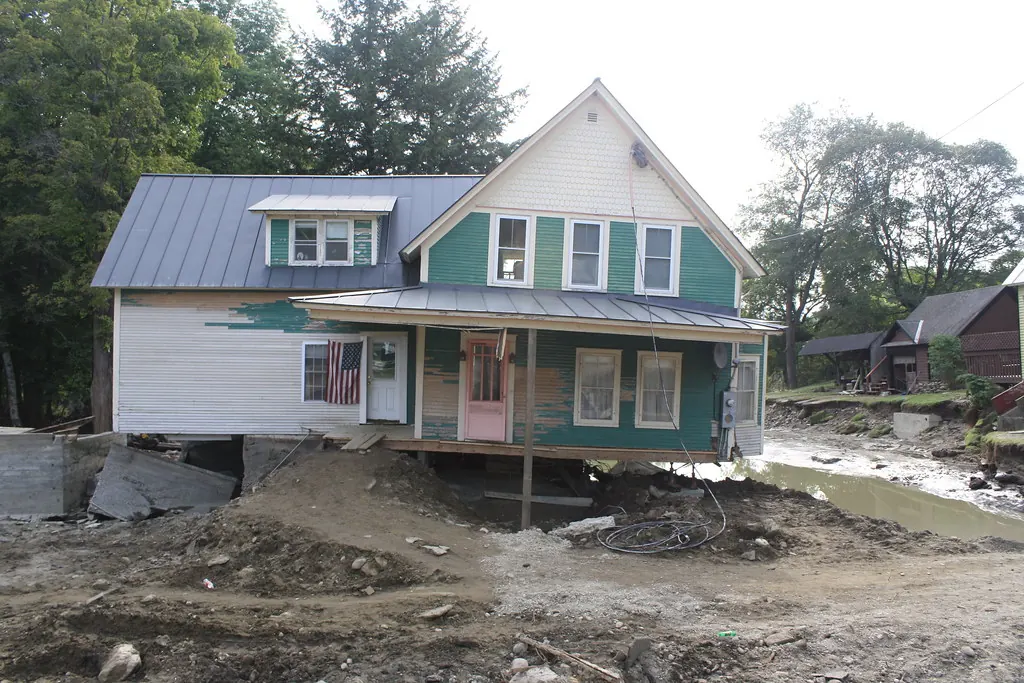
Why inland storms still cause coastal-style claims
When a hurricane makes landfall on the Gulf or Atlantic coast and moves inland, it weakens, but its moisture does not disappear. The mountains force that moist air upward and wring it out. In September 2004 the remnants of Hurricane Ivan pushed the Ohio River up and flooded parts of Wheeling and other river towns. In October 2012, Superstorm Sandy met cold air over the central and eastern highlands and buried counties such as Tucker, Randolph, Preston, Nicholas and Webster under heavy, wet snow, collapsing roofs and downing trees.
Separating wind from water
The biggest challenge on any remnant hurricane or tropical storm claim is cause. A standard homeowners policy usually covers wind and damage from rain that enters through a wind-created opening, but excludes flood: surface water, overflowing streams and rivers, and mudflow. Flood requires a separate NFIP or private flood policy, which has its own claim and appraisal process. Our appraisal work under a homeowners or commercial policy focuses on the covered wind side.
Typical disputes on these files
- Interior water attributed to flood. Ceiling stains and wet insulation from a wind-damaged roof lumped in with basement flooding.
- Wind-driven rain. Water forced past windows or siding, which some forms treat differently from water entering through storm-created openings. Check your policy.
- Snow-load damage. Sagging rafters, cracked trusses and failed carports after a storm like Sandy, sometimes argued as a pre-existing structural issue.
- Tree damage. Saturated soils let trees topple in winds that would otherwise leave them standing.
- Mold remediation. Some forms limit mold coverage, and how remediation is priced often becomes part of the dispute.
Where remnant storms tend to hit hardest
Ohio River communities in the Northern Panhandle and Mid-Ohio Valley watch the river during long tropical rains. Narrow valleys in the Southern Coalfields and along the Guyandotte and Big Sandy funnel runoff into small streams that rise fast. The Potomac Highlands and Allegheny Front can get the heaviest totals, and when the air is cold enough, as with Sandy, the precipitation falls as snow on the higher ridges. Each pattern points to different damage, and our scope follows the evidence.
Building a clean wind-side estimate
- Map the roof and wall openings caused by wind, with photos.
- Trace each interior water stain back to an opening, where possible.
- Note the high-water line, if any, so flood damage below it stays on the flood claim.
- Record snow depth and any sagging or cracking soon after the storm.
- Keep receipts for tarps, pumps, fans and temporary repairs.
For more on snow load and frozen pipes, see our ice, snow and freeze claims page, and for water damage that is not flood, the water damage claim page.
What appraisal can and cannot settle
If the insurer agrees that wind damaged the roof but values the repair too low, appraisal may help. If it says the entire loss was flood and therefore excluded, that is a coverage question. Appraisers may record what they see, but they generally cannot decide coverage, and an appraisal award cannot turn an excluded flood loss into a covered one.
Questions about this service
Does homeowners insurance cover rain damage from a hurricane remnant?
Often, if rain entered through an opening created by wind, such as a torn roof. Water that rises from the ground or from streams is usually treated as flood and excluded.
Can I use appraisal on my NFIP flood claim?
NFIP policies have their own appraisal provision and federal rules. That process differs from homeowners appraisal, so read the flood policy and FEMA guidance closely.
Were Sandy’s snow collapses treated as wind or snow claims?
Roof collapses from snow weight are usually handled under the policy’s weight of snow or collapse provisions. How a specific claim was categorized depends on the policy and the facts.